Mel Barclay

“Be kind to yourself”: Mel’s experience of breast cancer and work
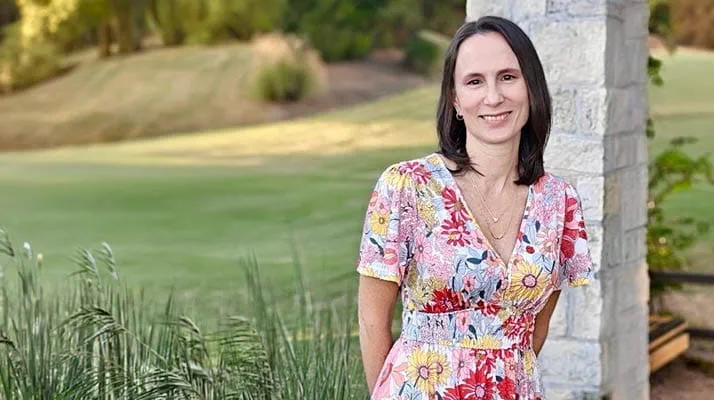
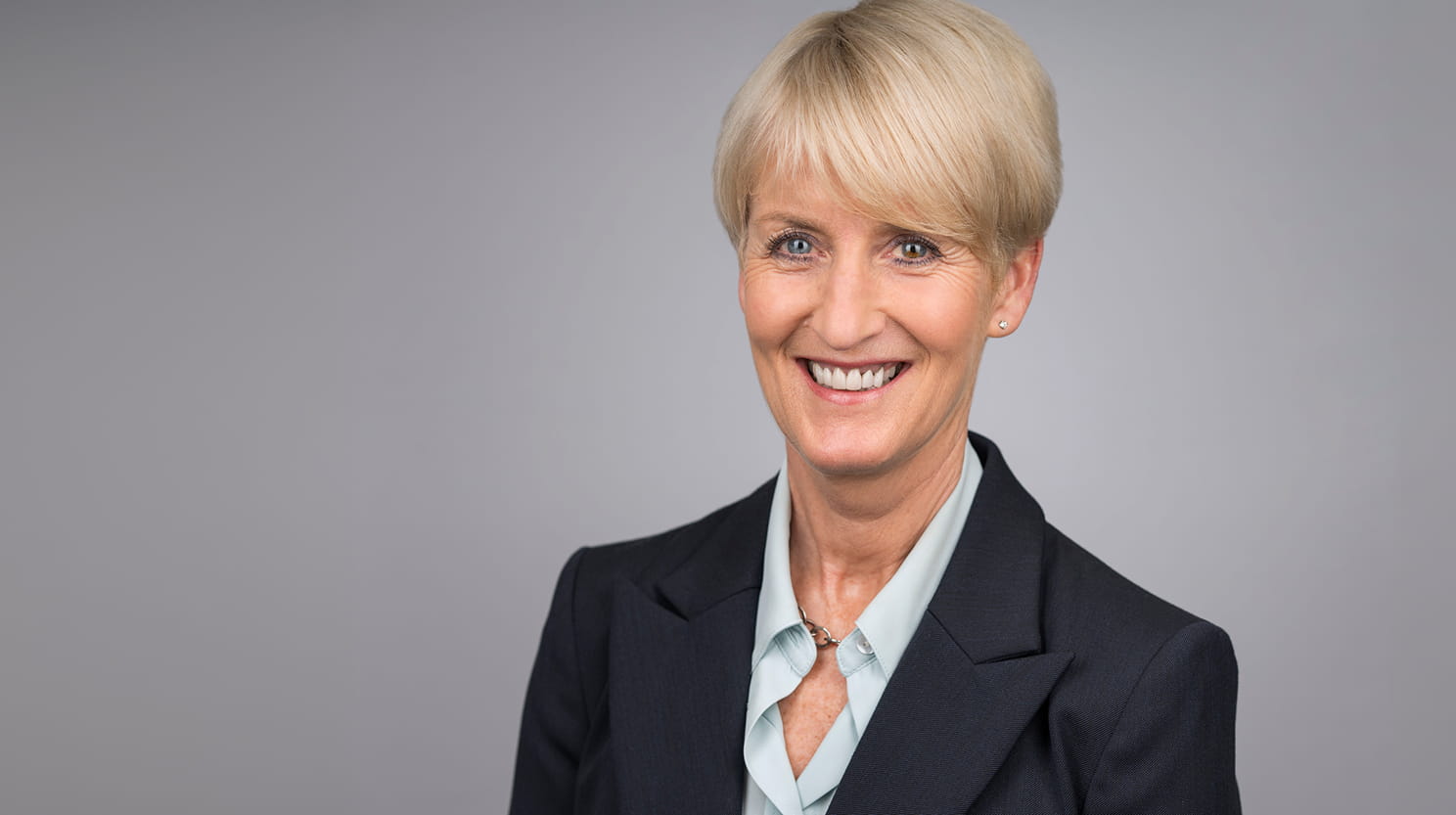
Getting back to normal was Mel Barclay’s first instinct after her breast cancer diagnosis. She had a busy job, a family she didn’t want to worry and a charity bike ride she was determined to complete just days after surgery.
Looking back, she wishes she had taken one piece of advice sooner: be kind to yourself.
This October, as we mark World Mental Health Day and Breast Cancer Awareness Month, Mel shares what helped her through cancer and treatment - and how organizations can offer support that feels right for the person receiving it.
A diagnosis she hadn’t expected
Mel has spent around 14 years at LHH, helping organizations support people through redundancy and career change. As Head of Career Transition Solutions for the UK and Ireland, she helps clients and colleagues plan that support with dignity and respect.
At the end of 2023, a routine mammogram and subsequent biopsy brought an unexpected diagnosis: breast cancer.
“For someone who is very active and rarely ill, I felt shocked that I actually didn’t know what was going on in my own body.”
The tumour was small and had not spread to her lymph nodes. She had two operations, followed by radiotherapy and medication to help prevent a recurrence.
Around the same time, her husband was diagnosed with prostate cancer. One of her biggest concerns was how to tell their grown-up children. Both cancers were caught early, and Mel feels fortunate that they received excellent care.
Finding comfort in ordinary life
Mel told only a few colleagues. She wanted to remain herself at work, rather than become known as “Mel with breast cancer”.
Work offered something familiar outside the cycle of appointments and treatment. Walking her dogs, exercise and time with friends and family also helped.
Three days after her first operation, she was back on her stationary bike for a virtual charity ride, determined not to let the team down. Looking back, she thinks she was still partly in denial, keen to keep busy and return to normal.
“The only pressure to stay positive came from myself.”
With her family, she tried to stay upbeat even when tired or in pain. Her closest friends encouraged her to be kinder to herself.
“I was also reminded that your mind needs to heal as much as your body.”
She began to give more thought to sleep, relaxation and time for herself.
Support beyond treatment
Although Mel did not feel overwhelmed, she sometimes needed peace and quiet to process what was happening.
Recovery continued long after treatment ended. Tiredness, loss of sensation caused by nerve damage and difficult menopausal symptoms associated with her medication have gradually eased, but it has taken time.
During treatment, her role was made redundant. She was offered another position within LHH, bringing a fresh start and a better balance between work and life.
She now makes more time for family and friends and has a deeper appreciation of her colleagues’ care.
“Kindness, compassion and caring are such under-rated values in the workplace.”
Those qualities helped her feel comfortable returning to work.
How to support a colleague
There is no single way to cope with cancer. For Mel, good support means respecting each person’s choices.
“Every day can feel different and every experience is personal,” she says. “There is no rule book – you don’t have to tell people or you can tell everyone – it is up to you.”
For colleagues and managers, that means:
- Ask what would help. Conversation, practical help or an ordinary working day may be welcome. Let the person guide you.
- Respect their privacy. Agree what they want shared and with whom.
- Offer specific help. Cover a meeting, help prioritise work or discuss flexibility around appointments and tiredness.
- Keep checking in. Needs can change during treatment and recovery.
- Make honesty feel safe. Someone should feel able to say they are struggling or need a break, without having to put on a brave face.
Mel also helped establish a Cancer Support Network for colleagues at work, offering somewhere to talk with people who understand.
Her advice to anyone facing cancer while working is to give themselves permission to respond in their own way.
“It is ok to feel overwhelmed, but it is also ok to carry on as usual if that makes you feel better.”
For those around them, support can start with a simple question: “What would help you today?” Then listening – and following through.
Related News and Research