Inclusion has to be lived, not stated

Inclusion has to be lived, not stated
Work is changing faster than most organizations can explain – and because of that, our sense of inclusion, value and purpose at work has never mattered more. At their core, these are fundamental human needs. When they're met, people feel safer, more connected and more willing to trust the organizations they work for.
For LGBTQ+ communities, especially in a political and social climate where visibility feels increasingly complex, an inclusive workplace can provide vital stability – the difference between holding back and contributing fully.
The hidden cost of editing yourself at work
People today are being asked to adapt, learn new skills, work alongside new technologies and rethink what their roles may become. They cannot do that confidently if they are also questioning whether they truly belong.
So, what does genuine inclusion look like in practice? The leaders we spoke to kept returning to the same idea: not having to edit yourself.
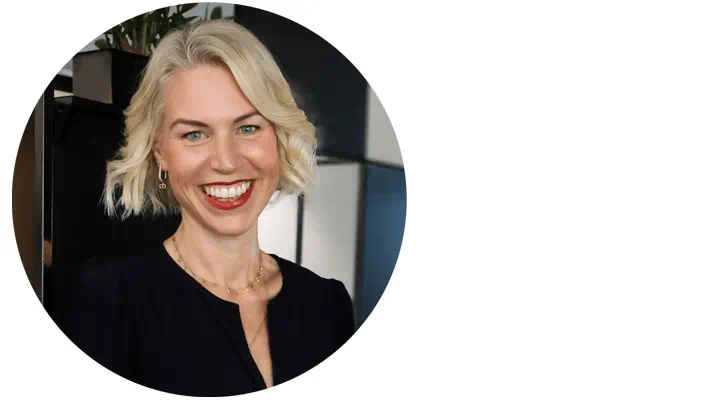
Adele Hawkes, SVP Communications for Adecco and UK&I, identifies one of the harder truths about exclusion – that it is rarely loud or obvious. More often, it lives in what she calls "the quiet accumulation of assumptions" about relationships, gender, family and identity. An inclusive workplace, for her, is "a culture where people do not have to edit themselves to succeed. Where curiosity replaces assumption. Where leaders and colleagues keep their eyes and ears open to challenge their own blind spots."

Daniel Northcott, Global Head of FP&A, LHH Recruitment Solutions at LHH sees it in the pressure younger colleagues put on themselves to conform. "So many times, you see colleagues – particularly younger ones – trying to edit themselves to fit in to how they think they should be. Everyone works best without the distraction of trying to present as someone they're not." That distraction isn't small. It affects confidence, performance and wellbeing.
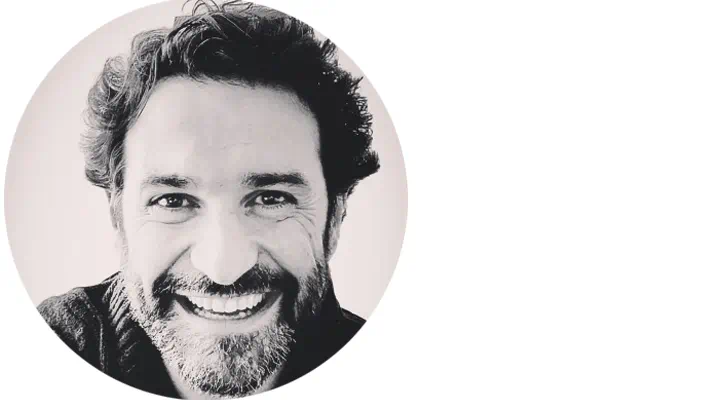
Manlio Ciralli, GSVP Marketing Centre of Expertise & Ecosystems, puts it plainly: "An inclusive workplace is where diversity is not a target to declare on a slide, but a condition you feel every day in conversations, in decisions, in how teams are built." Ideas judged on their strength, not on who brings them. Difference treated as a genuine advantage, not a campaign tagline.
Belonging and psychological safety aren't the same thing
But feeling welcome and feeling safe are not the same thing. While people feel they belong at work, there can be a gap between feeling like you belong and feeling comfortable enough to speak up.
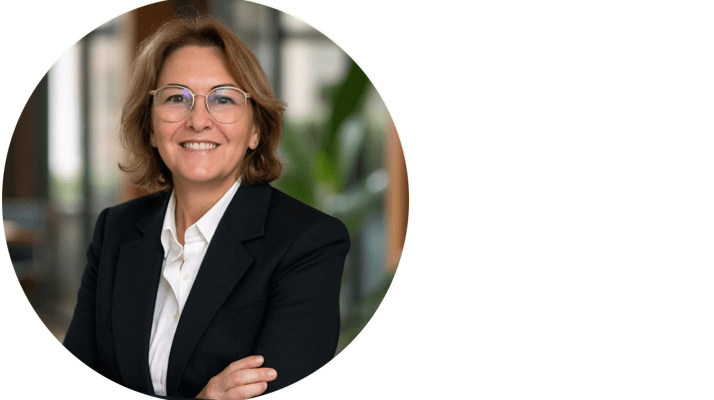 For Sam Smith, President of Pontoon, it’s deeply personal. "When I first started my career – particularly in the military – it was both illegal and dangerous to be openly gay. I experienced first-hand what it means to hold part of yourself back just to belong." That experience shaped how she thinks about leadership. "When people don't have to hide, they bring more of who they are to their work – building stronger teams, better decisions and ultimately better outcomes. Inclusion isn't just a value; for me, it's a responsibility shaped by experience."
Why leaders have to make inclusion visible
That sense of responsibility points to something specific: the role leaders play in making inclusion visible.

As Nate Eaton, SVP & Head of Group Global Services, explains: “There are people, like I was in my 20s, who may be sitting there in a challenging situation, without feeling like they have a voice or knowing to whom they can turn. We have to help people, all people, know they are not alone.”
Leaders matter here, he argues, "not to have every answer, but because they can make space to make topics visible and showing they matter – a leader who can relate directly to the topic can be a powerful voice. “
Representation plays a role as well. “When people see leaders openly supporting inclusion, it sends a clear signal. When that’s missing, it’s noticed too.”
When values and lived experience align
The best organizations close the gap between what they say they value and what people actually experience. Values define the standard; behaviours prove the culture. When those two align, teams perform at their highest level.
Inclusion is not separate from the future of work. It is part of how organizations make that future work for everyone.
*Not all programs, and/or resources are available in the United States. TAG complies with all applicable laws.
Related News and Research