From the internet to AI: 36 years of adapting to the next big shift

From the internet to AI: 36 years of adapting to the next big shift
Some technologies do more than improve the way we work - they change the shape of work itself.
Economists call them General Purpose Technologies: innovations like steam, electricity and the internet that spread across industries and enable entirely new ways of working. Their impact is profound, but as history reminds us, it’s rarely immediate. AI is increasingly seen as the next in that line.
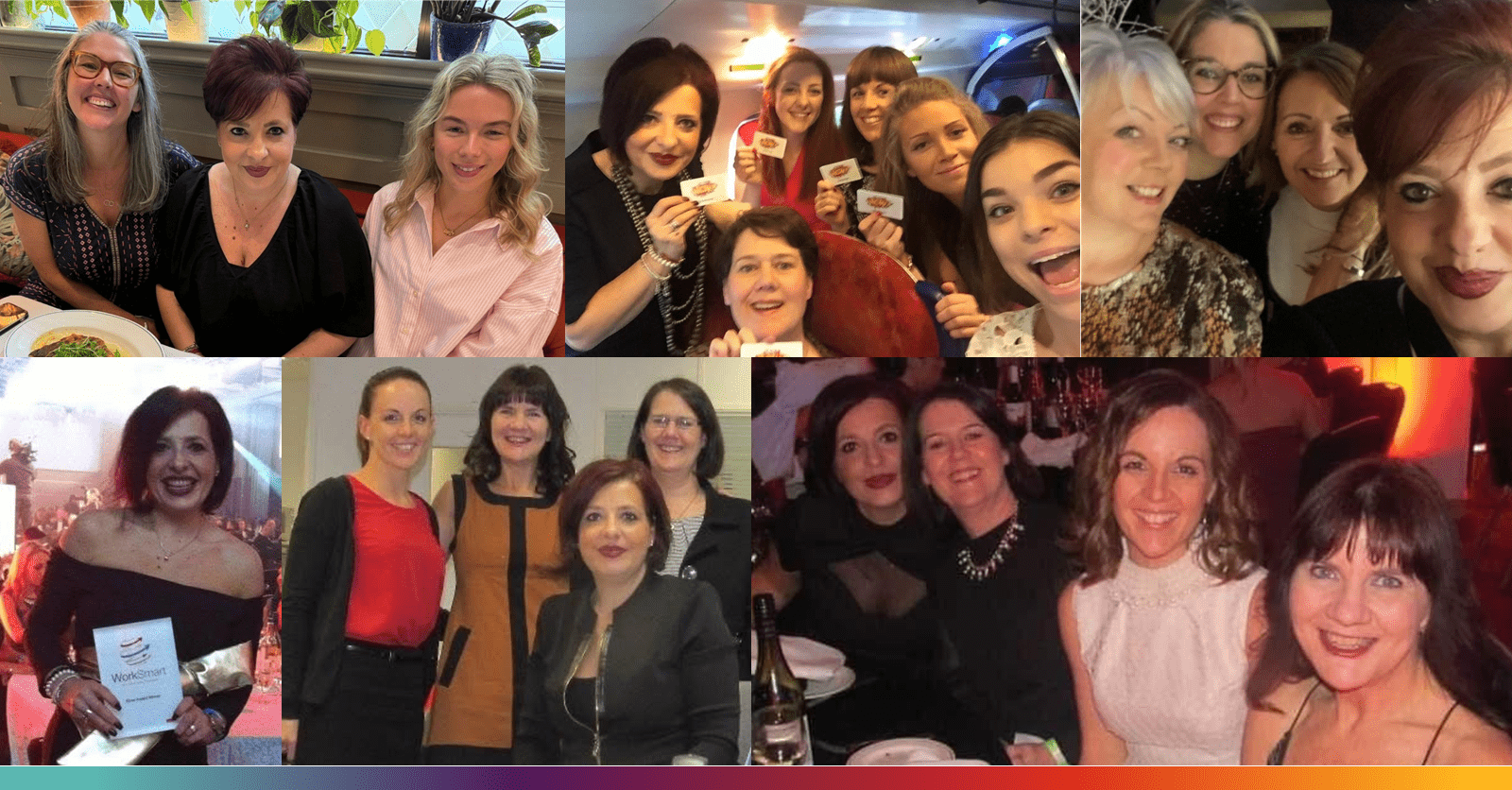
Shelley Kay has lived and worked through several of those shifts. She joined what was then Alfred Marks as a temporary receptionist, covering a three-day holiday. Thirty-six years later, she’s still with the Adecco Group, having progressed from branch administrator to consultant, Principal Branch Manager and Regional Manager before moving into learning and development.
Today, as a Talent & Development Business Partner in the UK Talent team, Shelley creates and delivers development programmes across the UK business. She describes Learning & Development (L&D) as “the gift I never knew I wanted”.
From post and phone calls to always-on work
When Shelley started, communication happened through meetings, telephone calls and the post. Then came email, the internet, mobile technology and cloud-based platforms.
“The biggest changes have been the pace and technology,” she says. “Today, work is far more connected, data-driven and fast-moving. Decisions are expected more quickly, and there is a much greater drive for immediacy.”
Covid’s unwelcome arrival in 2020 demonstrated just how far those technologies had taken us, enabling the business to move to remote working almost overnight. But across Shelley’s career, the broader story has been one of gradual change.
Technology arrives quickly. Work changes more slowly.
“New technologies often arrived with a lot of excitement, but it took time for people, processes and the business to adapt. The biggest changes happened once the technology became part of everyday habits and workflows rather than being seen as something new or optional.”
That experience is particularly relevant to AI. Technology can advance quickly, but changing work takes longer. People need to understand new tools, experiment with them and adapt the way they work. Processes evolve, expectations shift and new skills emerge.
Shelley’s own role reflects that change. “My role is about creating and delivering learning that focuses not just on the technical skills, but on the evolution of our mindset and how we embrace the tools we are given.”
AI feels familiar – and different
For Shelley, AI brings a similar blend of emotions as earlier technological shifts. “What feels familiar is the mix of excitement, uncertainty and opportunity. What's different about AI is we are still learning its potential and how we embrace the speed, information and evolution it can bring, whilst keeping human connection at the heart of all we do.”
Curiosity has been central to how she has navigated change: “Rather than seeing new technology as a threat, I embrace how it can make work easier or more effective. Learning from colleagues, experimenting with new tools and being comfortable with a degree of uncertainty all help us adapt.”
The job changes. The human purpose doesn’t.
Shelley’s role today bears little resemblance to the three-day receptionist job she originally arrived to cover, but one thing has remained constant: “At its core, it is still about helping people,” she says. “Roles, processes and technology may change, but we are a people business. It’s about adopting new processes and technology whilst remaining human-centred.”
Her advice for staying relevant and employable through a lifetime of change is this: “Stay curious, embrace continuous learning and be willing to experiment with new tools.”
Technology will keep changing; having the curiosity, confidence and ability to change with it sustains a life-long career.
Related News and Research